
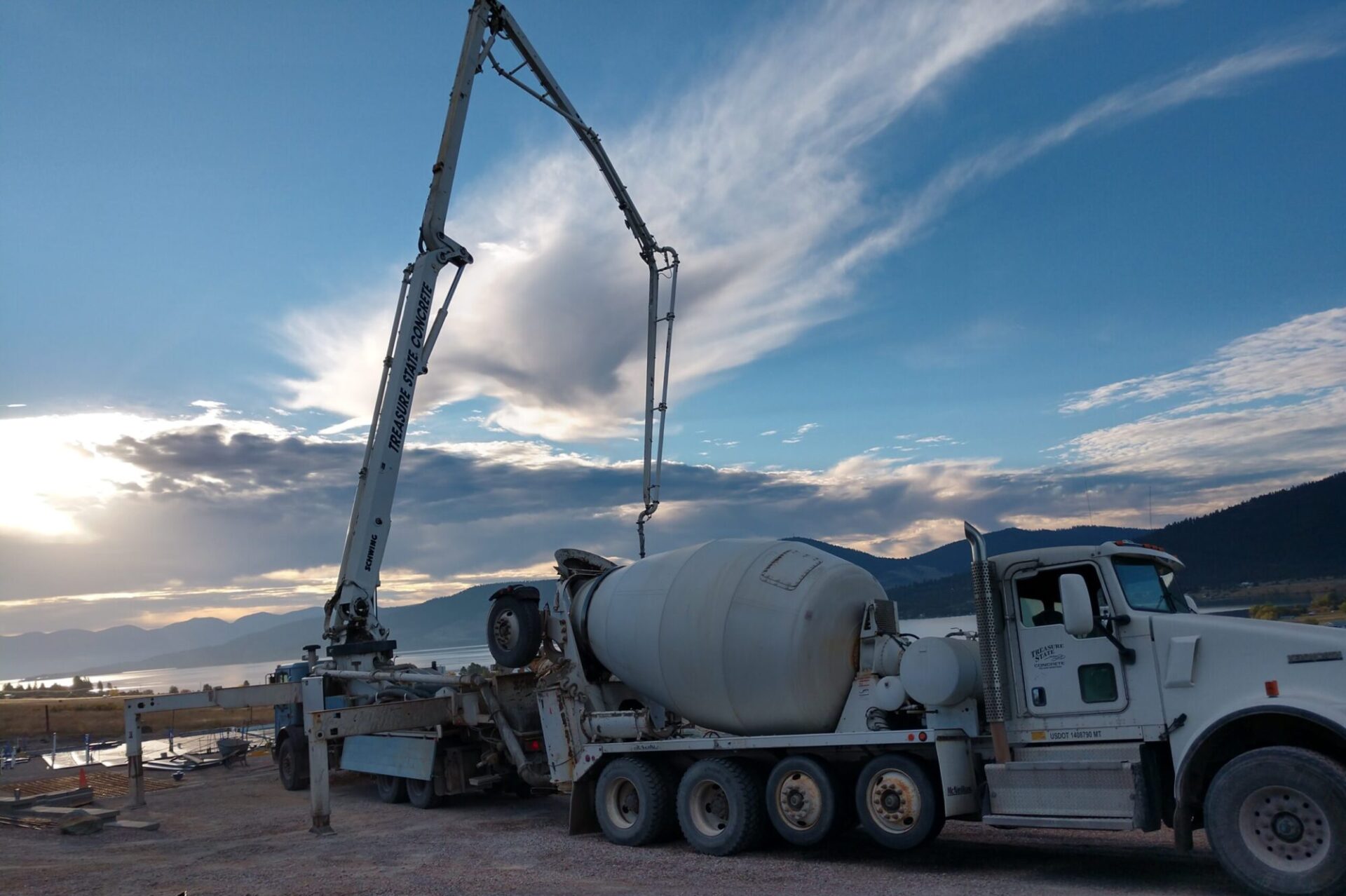
Concrete aftercare begins as soon as finishing is complete. Curing, loading, drainage, winter exposure, cleaning, and product selection all influence how a surface looks and performs over time. The right care can reduce common risks, but it cannot undo improper subgrade preparation, placement, finishing, or weather exposure that has already affected the concrete.
This article is general education, not a project specification, warranty, or maintenance agreement. Following these practices can help; it does not guarantee a crack free, uniform color, stain free, or maintenance free project. Instructions from the contractor, engineer, project documents, and product manufacturer take priority for a particular placement.
Care starts immediately
Protect the curing process selected for the placement.
Curing maintains favorable moisture and temperature so cement hydration can continue. The National Ready Mixed Concrete Association curing guide describes a typical curing period of three to seven days and explains that temperature, mixture, weather, and curing method affect strength development and surface durability.
Follow the curing plan supplied for the job. Do not remove blankets, plastic, wet coverings, or other protection early. Do not add water, switch methods, or apply a coating unless the responsible project professional approves the change. Cold weather may require insulation and a longer wait, while hot, dry, or windy weather can increase moisture loss from the surface.
- Keep people, pets, tools, hoses, and construction traffic away from protected concrete.
- Secure curing materials so wind does not expose part of the surface.
- Do not alternate between wetting and allowing the concrete to dry during water curing.
- Call the contractor if blankets shift, protection tears, water pools, or freezing conditions develop.
Strength not the calendar alone
Do not use one internet timeline for every load.
Concrete gains strength at different rates. Mix design, slab thickness, curing, air and concrete temperature, subgrade support, and the type of load all matter. Homeowner guidance commonly keeps ordinary passenger vehicles off a new driveway for at least seven days, but the contractor may require a longer period.
A passenger car is not the same load as a concrete truck, garbage truck, RV, delivery truck, lift, dumpster, loaded trailer, construction machine, or outrigger. The Federal Highway Administration prefers strength based opening decisions for concrete pavement work. Obtain specific approval before placing heavy, repeated, or concentrated loads on new concrete.
Waiting longer is usually less costly than damaging concrete that has not developed the strength needed for the intended load. Ask the contractor who placed it not the internet for the release time for that project.
After curing, keep water moving
Drainage protects the slab and the support beneath it.
Once the specified curing period is complete, do not allow sprinklers, downspouts, snowmelt, roof runoff, or landscape drainage to keep the slab saturated or wash material from below its edges. Standing water and poor drainage become especially important where concrete is exposed to freezing and thawing.
- Keep drains, edges, and intended water paths clear.
- Redirect downspouts and sprinklers that repeatedly wet the concrete or undermine the slab.
- Correct settlement, pumping, erosion, or trapped water problems instead of covering the symptoms.
- Do not create runoff that damages neighboring property or freezes across a walking or driving surface.
Give new exterior concrete extra care
The first winter is not the time to experiment with deicers.
Remove snow and ice promptly so new concrete is not repeatedly saturated during freeze and thaw cycles. Do not apply deicing chemicals during the first winter; use clean sand for traction. Remember that tires, wheel wells, parked vehicles, and snow pushed from a treated roadway can also deposit deicer on the surface.
Never use fertilizer or a deicer containing ammonium sulfate or ammonium nitrate on concrete. Magnesium based deicers can also damage concrete. Guidance varies by product, concrete, exposure, and region, so after the first winter use only a product approved for cured concrete and apply it sparingly. Remove accumulated salt and slush when conditions allow without creating a new ice hazard.
The Euclid Chemical winter durability bulletin explains that long term winter performance depends on the mix, placement, curing, suitable sealer selection, and maintenance not on a surface treatment alone.
Use the right product at the right time
A cure and seal and a long term penetrating sealer are not interchangeable.
A cure and seal product can help retain moisture after finishing and provide initial surface protection. A compatible penetrating sealer may later reduce water and chloride absorption. Neither product repairs weak concrete, poor drainage, improper finishing, or an unstable base.
Before sealing, identify the curing method, every previous coating, whether the concrete is colored or stamped, and the intended exposure. Read the current technical and safety data sheets, meet the required age and dryness conditions, prepare the surface as directed, and test a small area. Applying too much product or adding repeated coats too soon can cause whitening, bubbling, peeling, or flaking.
Treasure State Concrete, Inc. can help customers identify an appropriate Euclid Chemical curing, sealing, cleaning, or repair product. Bring the project age, finish, prior product information, exposure, and photos when asking for a recommendation.
Clean carefully and early
Most sealers do not make concrete stain proof.
Sweep leaves, fertilizer granules, dirt, and road residue from the surface. Blot oil and chemical spills instead of spreading them. Use a cleaner made for the particular stain and approved for concrete, and test it in a small area especially on colored, stamped, stained, or sealed work.
Do not begin with a harsh acid or an unverified homemade mixture. A cleaner or aggressive cleaning method can change the concrete, decorative color, or sealer. Follow the cleaner and sealer manufacturers' directions, including personal protection and runoff disposal requirements.
Observe before choosing a repair
Concrete moves, joints manage movement, and some cracking should be expected.
Concrete expands and contracts with temperature and moisture changes and generally shrinks as it dries. NRMCA states that it is not possible to produce completely crack free concrete. Control joints create planned weakened locations intended to manage where movement related cracking occurs; they do not prevent every crack.
Keep joints clear of packed debris and maintain joint sealants where the project specifies them. Photograph and monitor a new crack before covering it with an unknown filler. The repair approach depends on whether the crack is stable or moving, its cause, location, width, exposure, and whether it admits water. Review the NRMCA guides to cracking and joints for industry background.
Ask for a professional evaluation when a crack continues to widen, has vertical displacement, leaks, shows rust staining or spalling, affects a structural member, or creates a safety concern. Repairing the visible line without addressing the cause may only hide the problem temporarily.
Concrete contains natural materials and is affected by subgrade support, drainage, weather, placement, finishing, curing, loading, chemicals, and maintenance. Cracking, color variation, wear, staining, scaling, settlement, and other changes can occur even when accepted practices are followed.